Wooden Wick Candles: The Complete Guide to the Crackle
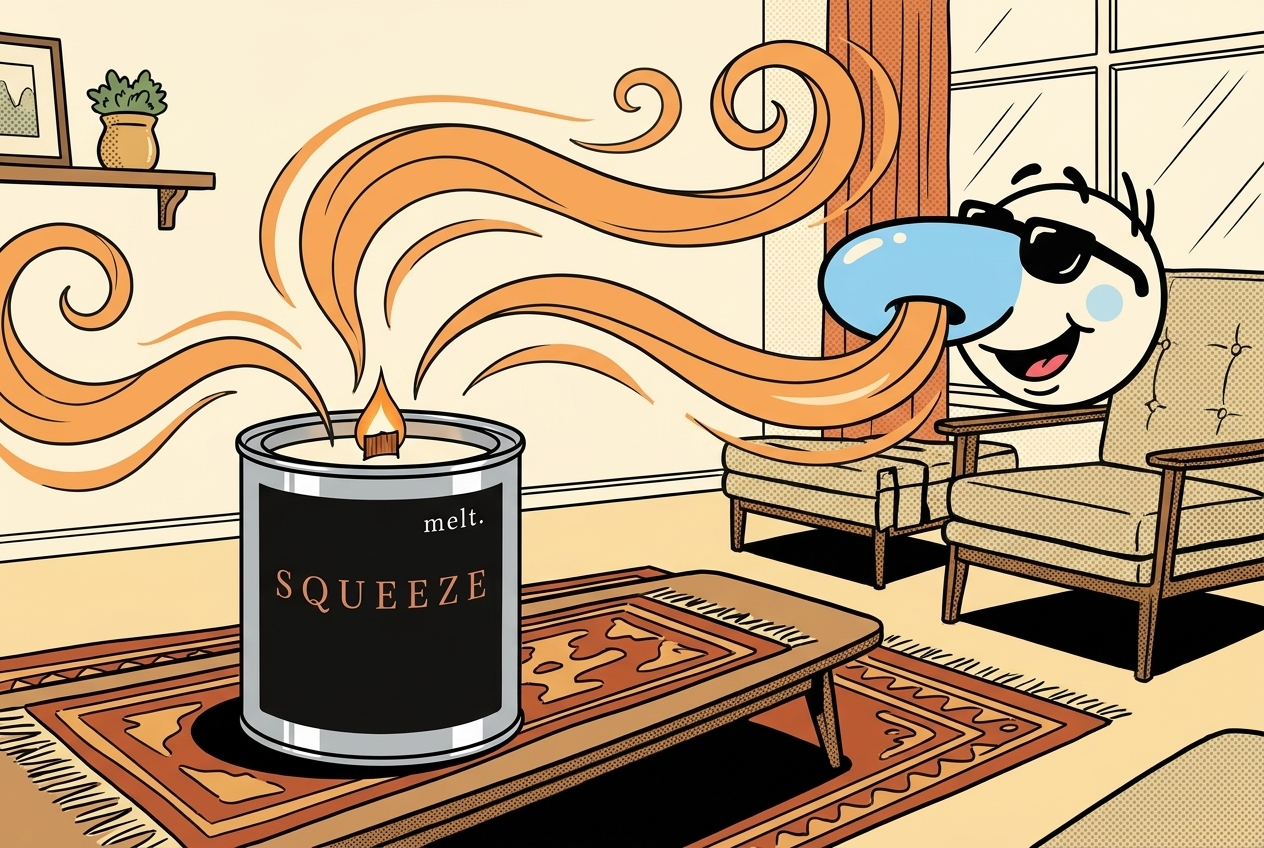
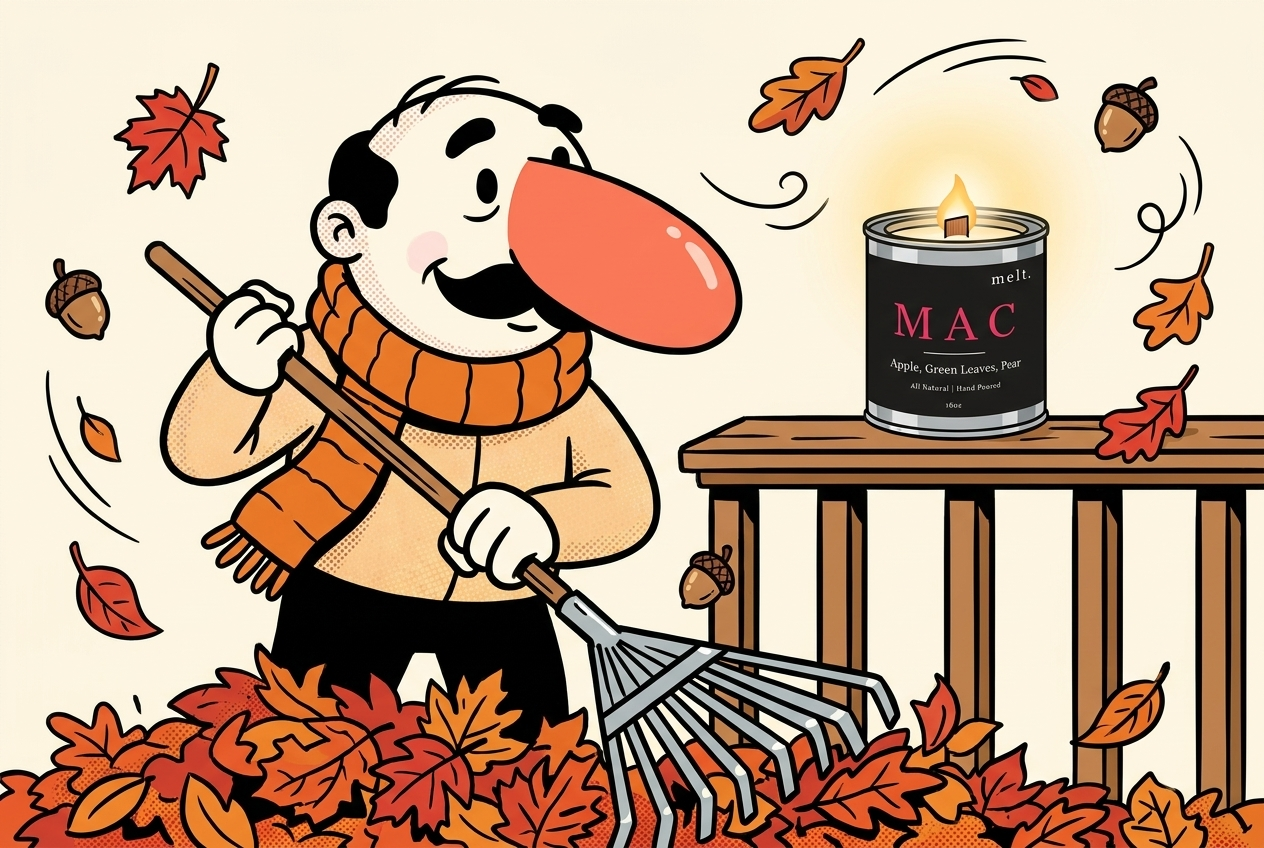
The first time someone hears a melt. candle crackle, they look at it like it just spoke. Yes — it's supposed to do that. The wooden wick is the single best decision we ever made as a company, and this is everything you need to know about living with one.
why wooden wicks crackle
Same physics as a fireplace, miniaturized. As the flame heats the wood, tiny pockets of moisture and cellulose pop — that's the soft crackle. It's not a defect and it's not an additive; it's just wood being wood. The sound is randomly spaced, quiet, and weirdly meditative, which is why "tiny fireplace for people without fireplaces" is the most accurate review we've ever gotten.
how wood burns differently than cotton
- the flame is wide and low — a flat wick makes a broad, even melt pool faster, which means better scent throw earlier
- it drinks wax horizontally — less soot, cleaner burn when trimmed right
- it looks calmer — a low dancing ember-line instead of a tall teardrop
lighting: the one trick
Tilt the can slightly and hold the flame at the base of the wick for a few seconds, letting it draw wax up as it catches. Wood lights slower than cotton — that's normal. If it goes out on the first try, you didn't fail; you just under-fed it. Try again at the base.
trimming: shorter than feels right
Before every burn, snap or trim the charred top down to about 3–4mm — shorter than instinct says. A long wooden wick can't pull wax to its tip, so it starves and flickers out. If your wick won't stay lit, it's almost always too long or drowning; trim it, pour off excess melted wax, relight at the base. (This and every other fix lives on our candle care page.)
the crackle is a feature of the ritual
Wooden wicks turn lighting a candle into an event — the tilt, the catch, the first pop. Pair one with a quiet evening from the winding down collection and you'll understand why we never went back to cotton. Every melt. candle crackles; pick your first one here.